 how-to
How to Avoid Kitchen Remodel Delays: A 2026 Guide
Table of Contents
- What You'll Need Before the First Hammer Swings
- How Long Does a Kitchen Renovation Take?
- Step 1: Lock the Scope Before You Sign Anything
- Step 2: Order Long-Lead Materials First
- Step 3: Build a Kitchen Remodel Timeline Checklist
- Step 4: How to Handle Contractor Delays Without Losing Weeks
- Common Mistakes That Push Kitchen Remodel Delays Past 12 Weeks
- Conclusion
- Frequently Asked Questions
Last Updated: September 26, 2026
What You'll Need Before the First Hammer Swings
Most kitchen remodel delays start before any work begins. Homeowners in Plainfield, IL often hire a contractor first, then scramble for decisions later. That order is backwards.
At A-Top Remodeling Inc., we've seen how the first two weeks of planning decide whether a project finishes on time. This guide shows you how to avoid kitchen remodel delays by fixing the schedule before demolition day.
Before you sign anything, gather these items:
- A written scope of work with every room detail listed
- A realistic budget with a 10-15% buffer for surprises
- A decision deadline for every material selection
- A signed contract with start and finish dates
- A communication plan for weekly updates
Get these wrong and you lose weeks. Get them right and the rest of the project runs smoother.
How Long Does a Kitchen Renovation Take?
A typical kitchen renovation takes 6 to 10 weeks for a mid-size project. Small cosmetic updates may finish in 3 to 4 weeks. Full gut renovations with layout changes often run 10 to 14 weeks.
Several factors decide your timeline:
- Scope of work: Cosmetic updates move faster than structural changes
- Material lead times: Custom cabinets and specialty tile add weeks
- Permit approval: Local inspections can add days or weeks
- Contractor availability: Busy seasons slow every trade
The U.S. Department of Housing and Urban Development notes that proper planning reduces project risk. That applies directly to home renovations.
For a detailed breakdown, a kitchen remodel timeline checklist keeps every phase visible. The chart below shows a standard schedule.
| Phase | Typical Duration | Key Task |
|---|---|---|
| Design and permits | 1-2 weeks | Finalize plans, pull permits |
| Demolition | 3-5 days | Remove old cabinets, flooring |
| Rough-in work | 1-2 weeks | Plumbing, electrical, drywall |
| Cabinets and counters | 2-3 weeks | Install and fit |
| Finishing | 1-2 weeks | Paint, trim, final walkthrough |
Step 1: Lock the Scope Before You Sign Anything
A locked scope is the single best defense against delays. Every change after signing adds time and cost.
Write down exactly what stays and what goes. Include cabinet style, counter material, flooring type, and lighting plan. Then get it in the contract.
Here's what to confirm in writing:
- Which rooms are included
- Appliance models and sizes
- Sink and faucet specifications
- Backsplash material and pattern
- Paint colors and finish types
Once these are set, resist the urge to change them. A mid-project switch to a different tile can push your finish date back by a week or more.
Step 2: Order Long-Lead Materials First
Custom cabinets, specialty countertops, and imported tile take the longest to arrive. Order these before demolition begins.
A common mistake is waiting until the old kitchen is torn out. That wastes the demolition window, which is free time for shipping.
Build your order list around lead times:
- Custom cabinets: order first, they take the longest
- Countertops: template after cabinets, then fabricate
- Specialty tile: order early to avoid backorders
- Appliances: confirm delivery dates before install day
Track each order with a simple spreadsheet. Note the order date, promised delivery, and a follow-up call date.
Step 3: Build a Kitchen Remodel Timeline Checklist
A kitchen remodel timeline checklist turns a vague plan into a working schedule. It lists every task, who owns it, and when it must finish.
Build yours in four columns:
- Task name
- Start date and end date
- Responsible person
- Status
Review it every week with your contractor. Flag anything running late before it snowballs.
The Federal Trade Commission's consumer guidance on home improvement recommends written agreements for all home projects. A timeline checklist works the same way. It creates a record everyone can point to.
Step 4: How to Handle Contractor Delays Without Losing Weeks
Contractor delays happen even on well-run jobs. The difference is how fast you respond. A delay caught early costs days. A delay ignored costs weeks.
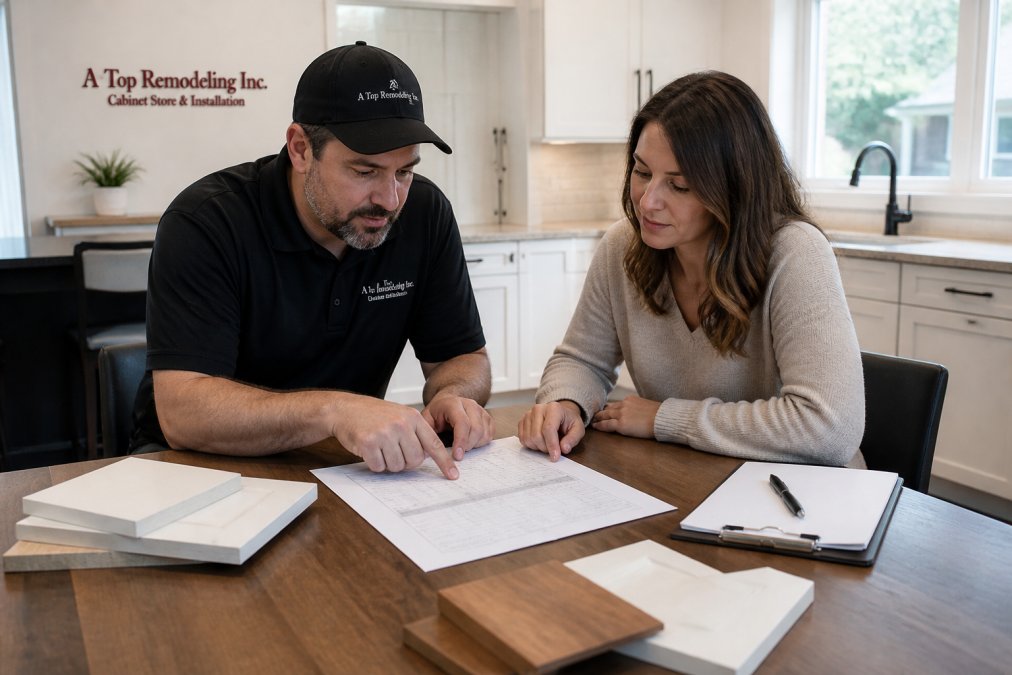
Start with a direct conversation. Ask what caused the delay and what the new date is. Get it in writing.
Then protect your schedule:
- Ask for a revised timeline within 24 hours
- Confirm which tasks can run in parallel
- Check if another trade can start early
- Document every change in the contract
If the delay involves permits or inspections, contact the local building department yourself. Sometimes a simple question clears the hold.
Common Mistakes That Push Kitchen Remodel Delays Past 12 Weeks
The projects that run past 12 weeks usually share the same mistakes. Spot them early and you avoid the worst of it.
Here are the top culprits:
- Changing the design mid-project. Every change resets part of the schedule.
- Skipping the permit step. Unpermitted work can be halted by inspectors.
- Choosing materials late. A late tile pick delays the installer.
- Ignoring the buffer. No cushion means one delay wrecks the whole plan.
- Poor communication. Silence between homeowner and contractor hides problems.
A-Top Remodeling Inc. has guided homeowners through these pitfalls for over 30 years. Our team brings samples to your home during a free measuring consultation, so you decide faster and avoid the guesswork that causes delays.
For anyone searching for a kitchen remodeling company near me in Plainfield, IL, working with a one-stop shop removes the handoff delays between separate trades.
Conclusion
Every kitchen project hits a snag somewhere. The homeowners who finish on time are the ones who plan for it.
A-Top Remodeling Inc. handles the full project from concept to completion. Our custom cabinet design, professional installation, and durable flooring solutions keep your renovation moving. We offer wheelchair-friendly design options and on-time, on-budget delivery backed by a 4.9 rating from 48 Google reviews. Get started with A-Top Remodeling Inc. and turn your kitchen into the space you actually want.
Frequently Asked Questions
What is the most common cause of kitchen remodeling delays?
Long-lead special-order items top the list. Custom cabinets, quartz slabs, and certain tile can take 6 to 12 weeks to arrive after you approve the design. Other frequent causes: scope changes after demolition starts, permit revisions, and trade scheduling conflicts when plumbing or electrical work has to be redone. Locking the design and ordering materials early removes most of these risks.
Should I expect delays when ordering custom cabinets?
Yes, plan for them. Custom cabinetry is built to your measurements, so it cannot ship until the design is final and the field measurements are confirmed. A realistic buffer is 2 to 3 extra weeks beyond the quoted lead time. Approve your design before demolition begins, and avoid changing door styles or finishes after the order is placed, since that restarts the production queue.
What should I include in a remodeling contract to protect against delays?
Put the start date, completion date, and payment schedule in writing. Add a clause naming who pays for permit re-inspections, a change-order procedure with written approval required, and a daily or weekly communication expectation. Ask for a lien waiver from subcontractors and a written warranty. If a contractor will not commit to dates on paper, that is your clearest signal to keep looking.
What are the signs that a kitchen remodeling project is falling behind schedule?
Watch for three signals: materials that were supposed to be on site are not, the same trade crew misses two scheduled days in a row, and your calls or texts go unanswered for more than a business day. Any one of these can be normal. Two or more at once usually means the schedule is slipping, and you should request a written recovery plan before the gap grows.