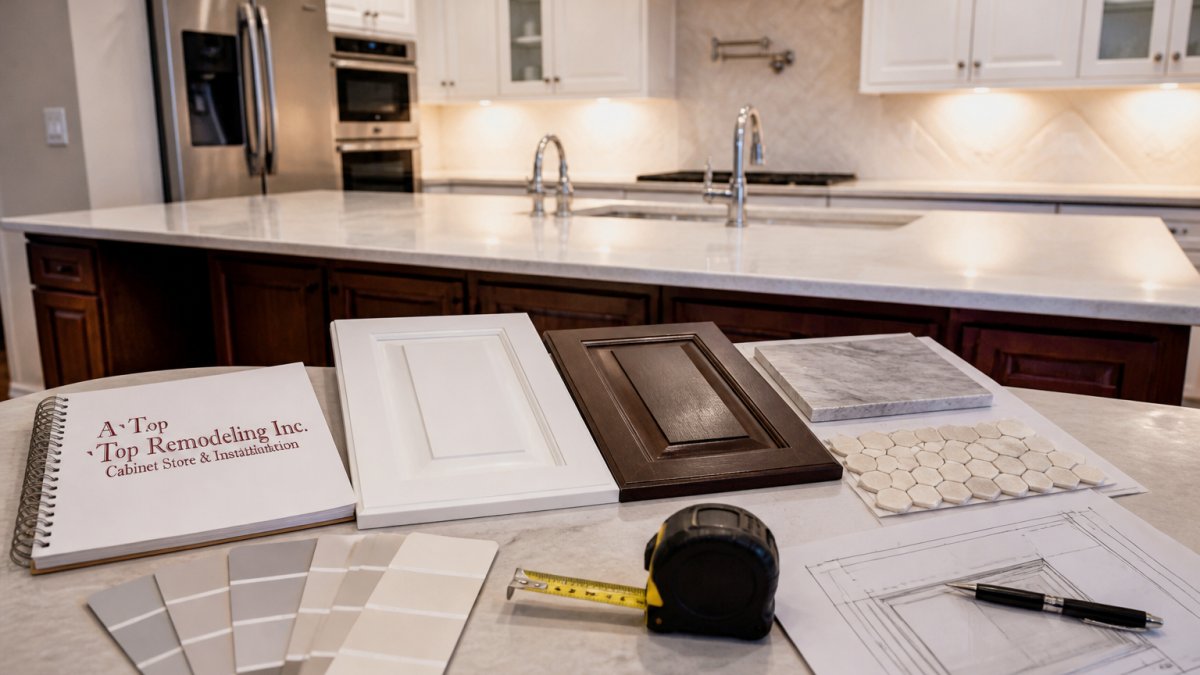
 comparison
Kitchen Master vs Royal Contractors: 2026 Comparison
Table of Contents
- Kitchen Master vs Royal Contractors: Key Differences at a Glance
- Services and Specializations Compared
- Pricing Models and Project Cost Factors
- Questions to Ask Kitchen Remodeling Companies Before You Sign
- How to Vet Kitchen Contractors in Plainfield, IL
- Average Kitchen Remodel Timeline: What to Expect
- Pros and Cons: Kitchen Master vs Royal Contractors
- Which Contractor Fits Your Kitchen Project?
- Conclusion
- Frequently Asked Questions
Last Updated: September 27, 2026
Kitchen Master vs Royal Contractors: Key Differences at a Glance
Choosing between kitchen master vs royal contractors comes down to scope, pricing transparency, and how much of the project each outfit actually manages. Kitchen Master handles full-service remodeling, from demolition through final trim. Royal Contractors leans toward focused cabinetry and flooring work. That single distinction shapes everything else: your budget, your timeline, and how many phone calls you make each week.
This guide from A-Top Remodeling Inc. breaks down both options for Plainfield, IL homeowners so you can pick the right fit before you sign anything. Below, we compare services, pricing models, vetting steps, and timelines, and we flag the questions that separate a smooth remodel from a four-month headache.

A kitchen master is a full-service remodeling provider that manages every trade involved in a renovation, while a royal contractor typically specializes in a narrower slice of the work, such as cabinets or flooring. The practical difference shows up in coordination: one point of contact versus several.
| Factor | Kitchen Master | Royal Contractors |
|---|---|---|
| Service scope | Full kitchen remodel, concept to completion | Focused cabinetry and flooring |
| Pricing model | Project-based, quote after consultation | Project-based, quote after consultation |
| Free consultation | Varies by provider | Varies by provider |
| Best for | Whole-kitchen transformations | Cabinet or floor upgrades only |
Services and Specializations Compared
Scope is the first thing to verify, because it determines who pulls permits and who coordinates the electrician. A full-service remodeler owns the whole job. A specialist owns one piece and hands the rest back to you.
That sounds minor until week three, when your cabinet installer finishes and your countertop fabricator is still waiting on a template.
Kitchen Master: Full-Service Remodeling Scope
A kitchen master typically covers the entire renovation arc: design, demolition, cabinetry, countertops, flooring, lighting, and plumbing and electrical coordination. You get one contract, one schedule, and one crew accountable for the finished room.
For homeowners who work full time, this model removes the hardest part of a remodel: managing trades. The trade-off is that full-service pricing reflects that coordination, so the line item is higher than hiring each specialist separately. Whether that premium is worth it depends on how much of your own time you can commit.
Royal Contractors: Focused Cabinetry and Flooring Work
Royal Contractors-style operations concentrate on cabinetry and flooring. They measure, supply, and install cabinets, and they lay flooring, but they generally leave plumbing, electrical, and countertop fabrication to others.
This works well for a targeted upgrade: new cabinet fronts, a flooring refresh, or a partial update where the layout stays put. It works poorly for a full gut, where someone still has to schedule the plumber, the electrician, and the inspection. If you go this route, you become the general contractor.
A common mistake is assuming a cabinetry specialist will handle the surprises behind the wall. They usually won't.
Pricing Models and Project Cost Factors
Both models price by project, not by the hour, and neither publishes a rate card. That's normal in remodeling, but it means the quote you receive depends heavily on what's included.
Cost drivers are consistent across providers:
- Scope of demolition: Cosmetic refresh versus full tear-out
- Cabinet type: Stock, semi-custom, or fully custom construction
- Countertop material: Laminate, quartz, granite, or solid surface
- Layout changes: Moving a sink or range means new plumbing and electrical runs
- Flooring material and square footage
- Permits and inspections required by your local jurisdiction
Because A-Top Remodeling Inc. quotes each project individually, the fastest way to get a real number is a free measuring consultation, where samples come to your home and the scope gets measured on site. Ask every contractor what the quote excludes. That list is where budgets quietly break.
Questions to Ask Kitchen Remodeling Companies Before You Sign
The questions to ask kitchen remodeling companies before signing fall into four buckets: scope, money, schedule, and change orders. Ask all four, and get the answers in writing.
Start with scope:
- Does the quote include demolition, permits, and haul-away?
- Who coordinates plumbing and electrical, you or me?
- Are countertop templates and fabrication included?
Then money and schedule:
- What's the payment schedule, and is any of it tied to milestones?
- What's the written completion date, and what happens if it slips?
- How are change orders priced and approved?
Finally, the one most homeowners forget: what's covered if the crew opens a wall and finds rotted framing or outdated wiring? A written change-order process answers that before it happens.
If you're comparing a quote from Royal Contractors against a higher one from a full-service firm, this list explains the gap. The difference is usually coordination and inclusions, not markup.
How to Vet Kitchen Contractors in Plainfield, IL
Learning how to vet kitchen contractors in Plainfield, IL means checking three things before you talk design: licensing, insurance, and written guarantees. Skip any one and you're carrying the risk yourself.
Illinois does not issue a statewide general contractor license, so verification happens at the local level. Plainfield and many surrounding communities require contractors to register or hold a local license, and the Illinois Attorney General's consumer protection resources outline what homeowners can expect from a written contract and what counts as a deceptive practice. Call your village or city building department and confirm the contractor's registration status before you sign.
Licensing, Insurance, and Written Guarantees
Ask for three documents: proof of general liability insurance, proof of workers' compensation coverage, and any local registration or license number. Then verify each one directly with the insurer or the issuing office. A certificate on letterhead proves nothing until you confirm it's current.
Written guarantees matter just as much. A clear contract should spell out the payment schedule, the completion date, the change-order process, and the warranty on labor and materials. If a contractor won't put those in writing, that's your answer.
The U.S. Federal Trade Commission's guidance on home improvement scams flags the classic red flags: large upfront cash payments, no written contract, and pressure to decide on the spot. Any one of those should end the conversation.
For anyone searching "kitchen remodeling contractors near me" in Plainfield, the local check matters more than the online review count. A 4.9 rating doesn't tell you whether the crew is insured.
Average Kitchen Remodel Timeline: What to Expect
The average kitchen remodel timeline runs six to twelve weeks for a full renovation, though layout changes, custom cabinetry, and permit delays push projects longer. A focused cabinet or flooring job can finish in one to three weeks.
Here's how a typical full remodel breaks down:
| Phase | Typical Duration | What Happens |
|---|---|---|
| Design and selections | 1-3 weeks | Measurements, material choices, final quote |
| Permits | 1-3 weeks | Local review and approval |
| Demolition | 2-4 days | Tear-out, haul-away, framing inspection |
| Rough-in trades | 1-2 weeks | Plumbing and electrical moved or updated |
| Cabinets and countertops | 2-3 weeks | Install, template, fabrication, set |
| Flooring and finish | 1-2 weeks | Flooring, backsplash, trim, paint |
| Punch list | 2-5 days | Final fixes and walkthrough |
Two variables wreck timelines more than anything else: custom cabinetry lead times and permit backlogs. Order cabinets before demolition starts, and confirm the permit timeline with your local building department early.
The thing nobody tells you about remodeling schedules is that the gaps between trades cause most delays. A full-service remodeler controls that sequencing. If you hire separate specialists, you own it.
Pros and Cons: Kitchen Master vs Royal Contractors
Neither model wins outright. The right choice depends on how much of the project you want to manage and how much coordination you're willing to take on yourself.
Kitchen Master (full-service) pros:
- Single point of contact for every trade
- One schedule, one accountable crew
- Handles permits and inspections
- Better fit for layout changes and full gut renovations
Kitchen Master cons:
- Higher total cost than hiring specialists separately
- Less flexibility if you only want one element replaced
Royal Contractors (focused cabinetry and flooring) pros:
- Strong fit for targeted upgrades
- Specialized installation quality on cabinets and floors
- Often faster on a single-scope job
Royal Contractors cons:
- You coordinate plumbing, electrical, and countertops
- Not suited for structural or layout changes
- Your schedule depends on other trades you hire
Which Contractor Fits Your Kitchen Project?
Pick a full-service remodeler if your project touches plumbing, electrical, or the layout, or if you don't have time to manage trades. Pick a focused cabinetry and flooring contractor if your layout is staying put and you only need those two elements replaced.
Here's the decision in plain terms:
- Full gut renovation, moved sink or range, or tight timeline: full-service remodeler
- Cabinet replacement only, layout unchanged: cabinetry specialist
- Flooring only: flooring specialist
- Accessibility changes, such as wheelchair-friendly design: full-service remodeler with accessibility experience
That last point deserves attention. Widening a work zone, lowering counters, and clearing knee space under a sink involve cabinetry, plumbing, and sometimes electrical work. A single-trade contractor can't deliver that alone. A-Top Remodeling Inc. has built wheelchair-friendly kitchen designs for local homeowners, including one customer who noted, "Tony did an amazing job on our kitchen. He also created a design that was wheelchair friendly. His work was topnotch and he worked hard to provide us with a dream kitchen."
If you're in DuPage or Will County and want one team handling design, cabinets, flooring, and installation, a one-stop shop removes the coordination burden entirely.
Conclusion
Comparing kitchen master vs royal contractors isn't about which name is better. It's about matching scope to your project and verifying licensing, insurance, and written guarantees before anyone swings a hammer. Get the exclusions in writing, confirm the schedule, and ask what happens when the walls come open.
A-Top Remodeling Inc. handles the full arc: free measuring consultation with samples brought to your home, custom cabinet design, professional installation, durable flooring, and wheelchair-friendly layouts, all with 30+ years of experience and 20% off your entire kitchen project. Our Plainfield-area customers consistently mention on-time, on-budget delivery, and we back that with a 4.9 rating with 48 reviews on Google.
Get started with A-Top Remodeling Inc. and turn your kitchen into a space that works for how you actually live.
Frequently Asked Questions
What should I look for when hiring a kitchen contractor in Plainfield, IL?
Look for a contractor with a verifiable Illinois license, liability insurance, and a physical local address. Ask for three recent references from Plainfield or nearby DuPage and Will County projects, and request a written scope of work that lists every material and fixture. Confirm who pulls the permits and whether the crew is in-house or subcontracted. A contractor who answers these questions in writing before you sign is a safer bet than one who only gives verbal assurances.
How do I compare quotes from kitchen remodeling companies?
Line up quotes side by side by scope, not by bottom-line number. Check whether each quote includes demolition, permits, plumbing, electrical, cabinet installation, countertops, flooring, and cleanup. A lower quote often excludes items the higher one covers. Ask each company to list allowances for tile, fixtures, and cabinets, since allowances are where budgets drift. Also compare payment schedules: a deposit over 30 percent or a request for cash up front is a warning sign.
How long does a full kitchen renovation take in the Plainfield area?
A typical full kitchen remodel takes six to twelve weeks from demolition to final walkthrough, depending on cabinet lead times and permit approvals. Cosmetic updates like new counters and a backsplash can finish in two to three weeks. Custom cabinetry often adds four to eight weeks of lead time before installation even begins. Ask your contractor for a written schedule that names each phase and who is responsible for it, so you can track progress against real dates.
What questions should I ask a kitchen remodeling contractor before signing a contract?
Ask who will be on site daily, how change orders are priced and approved, what happens if hidden damage is found behind walls, and how the contractor handles delays from plumbers or electricians. Request a written lien waiver process so subcontractors cannot file a lien against your home. Confirm the warranty length on labor and materials, and get the start and completion dates in the contract. Vague answers to any of these should make you pause before signing.
Are Kitchen Master and Royal Contractors licensed in Illinois?
Illinois does not issue a statewide general contractor license, but many municipalities, including Plainfield, require local registration or a permit before work begins. Roofing, plumbing, and electrical trades are licensed at the state level. Ask each contractor for their state plumbing and electrical license numbers, their local registration, and a certificate of insurance naming you as an additional insured. Verify the numbers directly with the issuing body rather than relying on a photocopy.